Warm Roof Installations
across central Scotland
Discover Expert Warm Roof Solutions Across Scotland
Warm Roof Installation in Scotland Energy Efficient Roofing Solutions.
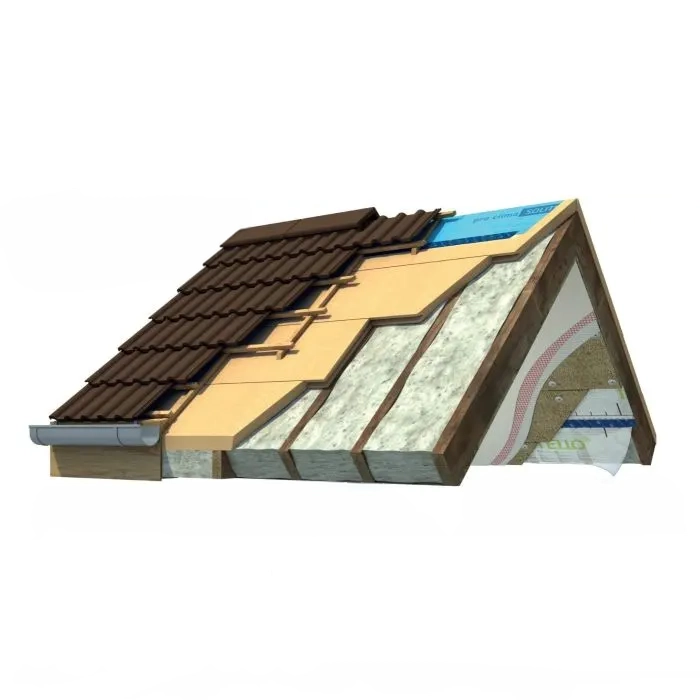
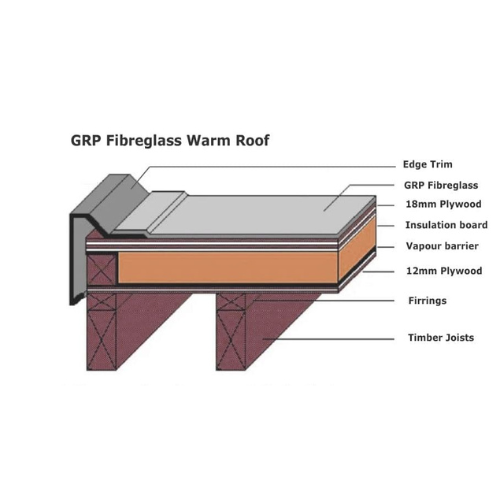
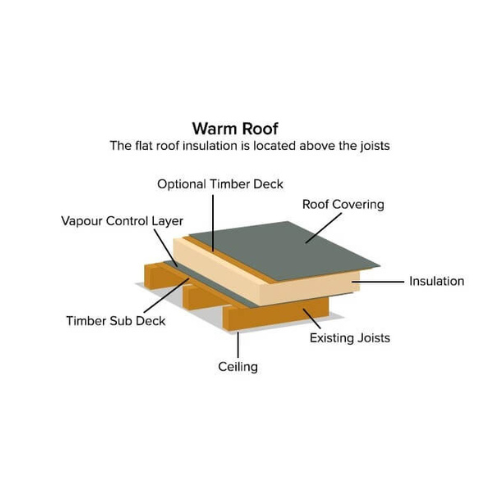
Our warm roof installations place high-performance insulation above the roof deck and beneath the waterproof membrane keeping the structure warm, dry, and compliant with current building standards.
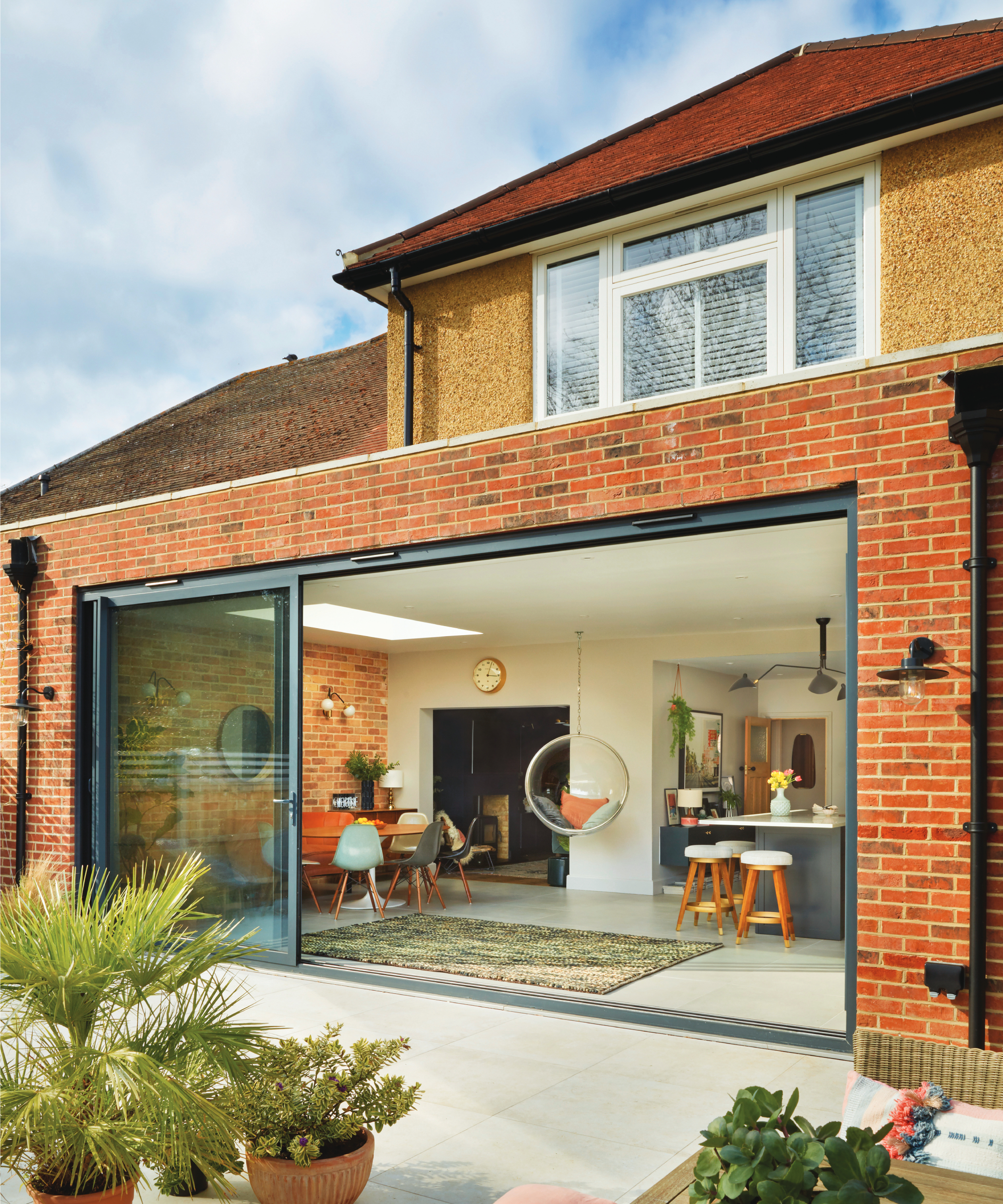
Ideal for Extensions, Garages & Flat Roof Upgrades
Warm roof systems are commonly installed on:
-
House extensions
-
Garage and outbuilding roofs
-
Dormers and loft conversions
-
Garden rooms and offices
-
Commercial flat roofs
-
Replacement flat roof projects
Warm roof systems are commonly installed on:
- Improved energy efficiency and lower heat loss
- Reduced risk of condensation and moisture damage
- No need for complex ventilation voids (in most designs)
- Meets modern insulation and U-value targets
- Suitable for upgrades and full roof replacements
- Long service life with low maintenance needs
Compliance & Thermal Standards
Warm Roof Installation in Scotland
A professionally installed warm roof system is one of the most effective ways to improve thermal performance, prevent condensation, and extend the life of a flat or low-pitch roof. Designed for colder, wetter climates, warm roofs are widely recommended across Scotland for both residential and commercial buildings.
Energy-Efficient Flat Roofing Solutions
Our warm roof installations place high-performance insulation above the roof deck and beneath the waterproof membrane keeping the structure warm, dry, and compliant with current building standards.
Why Choose a Warm Roof System?
A warm roof offers major advantages over traditional cold roof designs, especially in Scottish weather conditions.
Key benefits include:
-
Improved energy efficiency and lower heat loss
-
Reduced risk of condensation and moisture damage
-
No need for complex ventilation voids (in most designs)
-
Meets modern insulation and U-value targets
-
Suitable for upgrades and full roof replacements
-
Long service life with low maintenance needs
This makes warm roofs ideal for property owners looking for a future-proof roofing solution.
Over 30 years experience
Built for Scottish Climate Conditions
Scotland’s combination of low temperatures, wind-driven rain, and seasonal moisture makes condensation control and insulation performance especially important. Warm roof systems are specifically suited to these conditions because they keep the deck temperature close to the interior temperature, greatly reducing the chance of trapped moisture.
This helps protect timber structures, prevents mould risk, and improves year round comfort inside the property.
Does a warm roof need ventilation?
In most correctly designed systems, no deck-level ventilation is required because the insulation keeps the structure warm enough to prevent condensation risk.
Is a warm roof better than a cold roof?
For most modern projects and refurbishments, yes. Warm roofs typically deliver better thermal performance and lower moisture risk.
Can you convert an existing roof to a warm roof?
Yes, many flat roofs can be upgraded by adding insulation above the deck during replacement.
Will a warm roof increase the height of my roof?
Yes, because the insulation is installed above the deck, the finished roof height will usually increase slightly. This is normally minimal but should be considered for extensions near boundary lines, abutments, or existing door thresholds.
Is planning permission required for a warm roof?
In most cases, no planning permission is needed when replacing or upgrading a roof on a like-for-like basis.
Can a warm roof be installed on an existing flat roof?
Often, yes. Many older flat roofs can be upgraded during replacement by installing insulation above the deck. The existing structure must be inspected first to ensure it is sound and suitable for the new build-up.
What insulation is used in a warm roof?
Most warm roofs use rigid PIR insulation boards due to their excellent thermal performance and relatively slim profile. In some cases, other high-performance insulation materials may be specified depending on the project requirements.
Is a vapor control layer always required?
In most warm roof designs, a vapor control layer (VCL) is recommended to help manage internal moisture and protect the roof structure. The exact requirement depends on the building’s use and the roof specification.
How long does a warm roof last?
When professionally installed with quality materials, a warm roof system can last 20–30 years or more, depending on the waterproof covering used and ongoing maintenance.
Is a warm roof suitable for pitched roofs?
Warm roof principles can be used on pitched roofs, but the build-up differs from flat roof systems. Your roofer will advise on the correct specification for your roof type.
Will a warm roof reduce my energy bills?
In most cases, yes. By significantly reducing heat loss through the roof, a warm roof can improve overall energy efficiency and help lower heating costs, particularly in poorly insulated older properties.
Can solar panels be installed on a warm roof?
Yes. Warm roofs can support solar panel installations, provided the structure is designed to handle the additional load and the waterproofing details are correctly integrated.
Is a warm roof more expensive than a cold roof?
The upfront cost is usually higher due to the additional insulation, but many property owners find the improved energy efficiency, reduced condensation risk, and longer lifespan provide better long-term value.